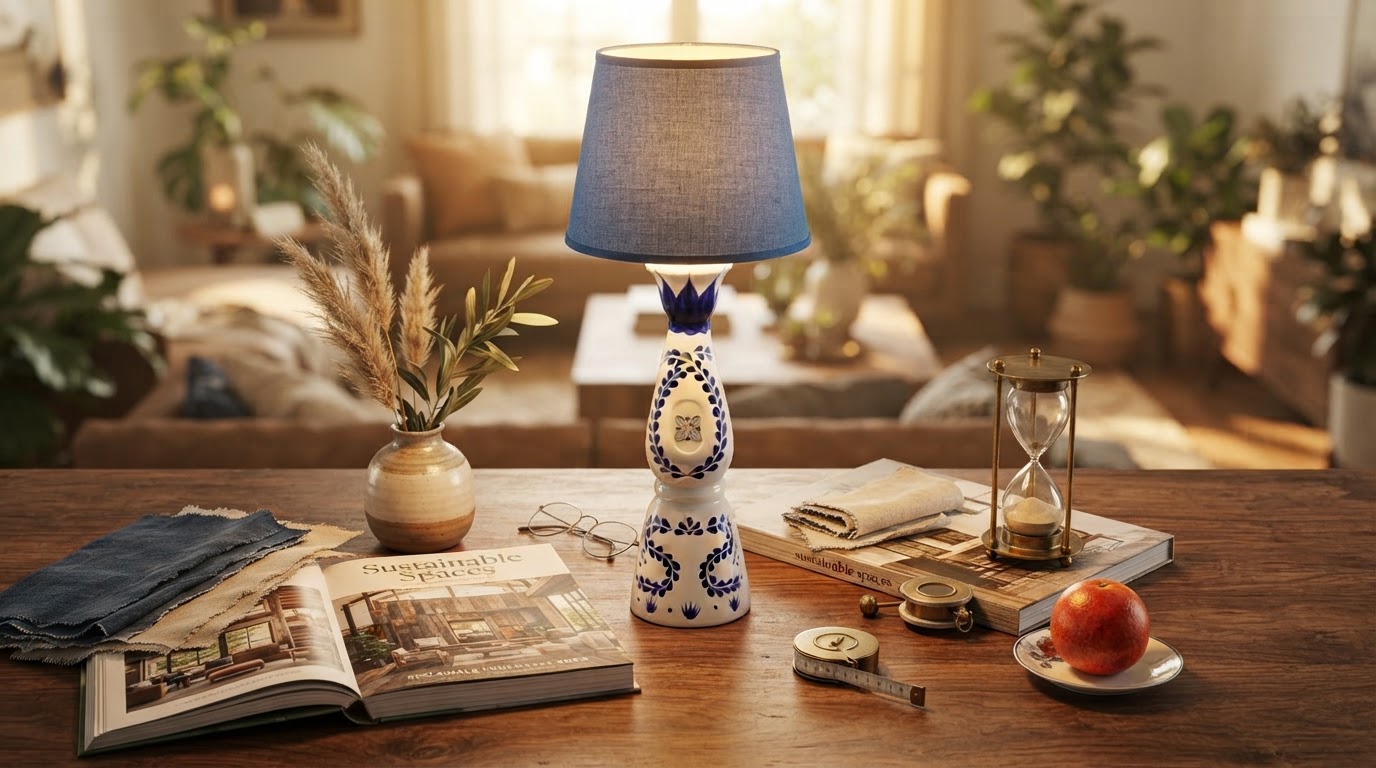
Selecting a Led Bottle Lamp for Modern Living Spaces
 Priya RamanSenior Analyst
October 25, 2026. This analysis evaluates the technical and aesthetic considerations for integrating a Led Bottle Lamp into contemporary residential environments. It is intended for homeowners and interior designers seeking a balance between sustainable reuse and high-performance illumination.
To evaluate these lighting solutions effectively, think of it as a matrix of portability and lumen output. When selecting a lighting fixture that utilizes existing glassware, two axes matter here: the physical stability of the interface and the thermal management of the LED array. By categorizing lamps based on these parameters, users can transition from generic accent lighting to intentional, task-oriented design elements that serve specific functional needs within the home.
The Evolution of Decorative Upcycling
The shift toward sustainable interior design has transformed the way consumers view household objects, particularly glassware. Traditional upcycling often relied on low-voltage fairy lights or battery-operated cork strings, which frequently lacked the brightness required for functional use. Modern requirements have moved beyond simple novelty toward sophisticated hardware that can turn a standard vessel into a professional-grade fixture. According to eBay market data, the demand for a Wireless Bottle Lamp or LED Bottle Light Topper for Liquor Wine Bottles has increased as consumers seek cordless solutions that do not compromise on build quality or light temperature.
This evolution addresses a common problem in spatial design: the clutter of power cables in open-plan living areas. Conventional lamps require proximity to wall outlets, which limits furniture placement and creates visual noise. Furthermore, the environmental impact of disposable decor has led to a preference for rechargeable systems. However, the transition to these systems requires an understanding of battery density and LED lifespan. Without a standardized interface, many DIY attempts at bottle lighting fail to provide consistent downward light distribution, often resulting in glare or uneven shadows that detract from the room's atmosphere. Integrating a bottle light decor for patio requires specific considerations for moisture resistance and light spread, whereas indoor applications prioritize color rendering and dimming precision.
Technical Integration of the Led Bottle Lamp
The Led Bottle Lamp addresses these challenges through a specialized form factor that prioritizes hardware stability and user control. Unlike generic inserts, these lamps utilize a structured topper design that rests securely on the neck of various bottle types, from slender wine bottles to wider spirit decanters. This design philosophy ensures that the center of gravity remains low, preventing the tipping hazards associated with top-heavy DIY modifications. The hardware typically features a touch-sensitive interface, allowing for seamless transitions between brightness levels without the need for mechanical switches that can fail over time.
Performance is anchored by high-capacity lithium-ion batteries, often reaching 4000mAh, which provide extended runtime for evening-long events or consistent daily use. For those using an aesthetic bedside bottle light, the ability to dim the LED to a low-lumen warm glow is essential for maintaining circadian rhythms while providing enough visibility for nighttime navigation. The light quality itself is a critical differentiator; professional-grade bottle lamps use surface-mounted diodes (SMDs) that offer a high Color Rendering Index (CRI), ensuring that the colors of the room and the bottle glass itself are represented accurately. As noted by Chris's Stuff, modern wine bottle lamps often feature USB rechargeable wireless LED touch dimming, which allows the user to treat the bottle not just as a container, but as a radiating light source that projects light downward rather than outward, reducing eye strain.
A Framework for Lighting Selection
When choosing a Led Bottle Lamp, the decision rule is to match the bottle's refractive index and opacity with the lamp’s output capability. A clear flint glass bottle will transmit light differently than a dark amber or green bottle, necessitating a lamp with adjustable intensity to compensate for light absorption. Once you see it this way, the selection process becomes a matter of technical compatibility rather than just visual preference. The following checklist provides a structured approach to final selection:
- Interface Compatibility: Verify that the lamp topper diameter matches the neck sizes of your intended glassware collection.
- Battery Endurance: Ensure the milliampere-hour (mAh) rating supports at least 8-12 hours of continuous operation at medium brightness.
- Light Temperature: Select units that offer a range from 2700K (warm) to 4000K (neutral) to suit different psychological needs in a space.
- Charging Standardization: Prioritize USB-C inputs to ensure compatibility with modern charging cables and power banks.
- Optical Diffusion: Look for lamps with frosted or engineered diffusers that prevent hot spots and distribute light evenly across the surface below.
Sources
- NEW! Wine Bottle Lamp - Black - Chris's Stuff
- Create Ambiance with LED Bottle Lights - YouTube
- 25+ Bottle Lamps for sale | Updated Oct 2026 - eBay