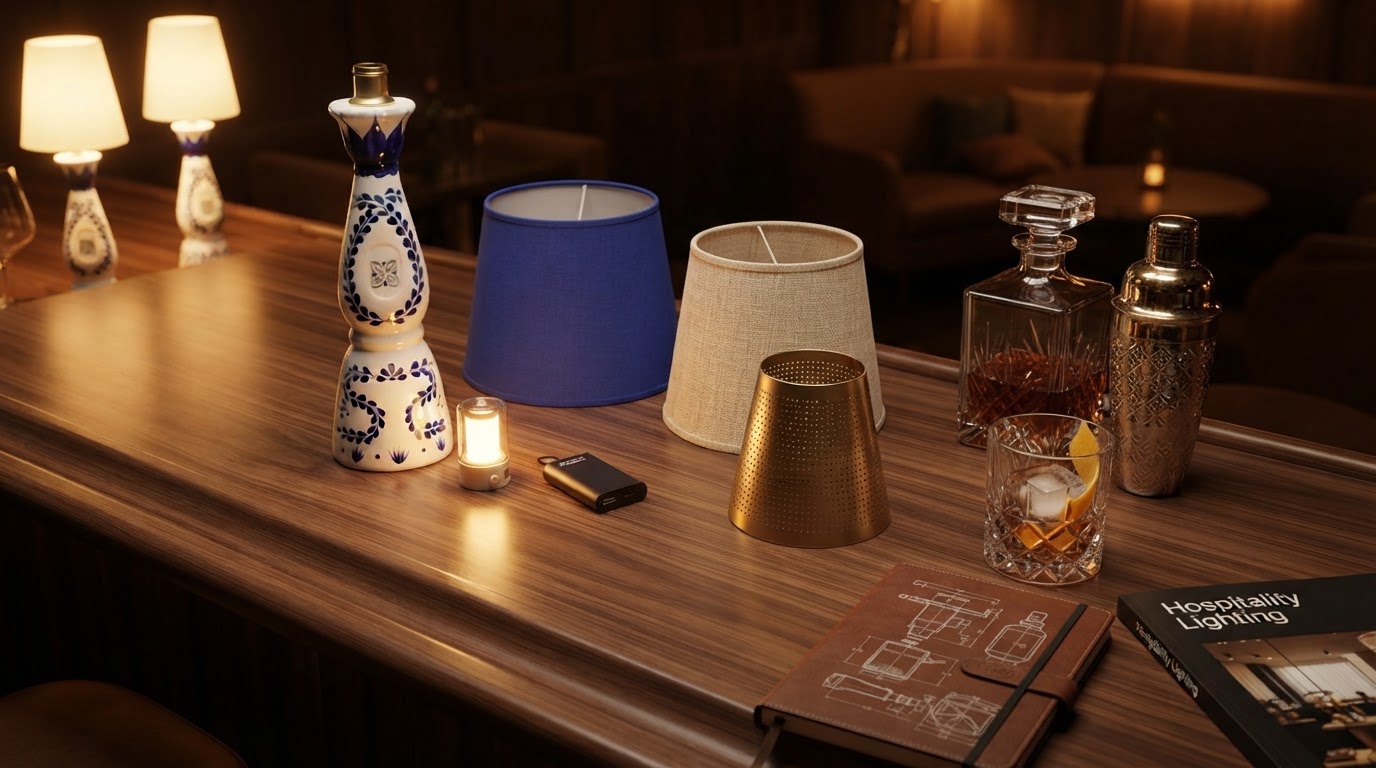
Optimizing Bar Lighting with Led Bottle Lamp Hardware
 Sam VasquezBuying Guide Lead
September 8, 2026. This analysis covers the technical requirements for deploying wireless bottle lamps in commercial bar settings. It is intended for bar owners and hospitality managers seeking to upgrade their tabletop ambiance without the limitations of wired infrastructure.
The Challenges of Commercial Bar Illumination
Traditional bar lighting often fails when it comes to the specific needs of tabletop seating. Hardwired fixtures are permanent and expensive to relocate, while candles present fire hazards and recurring costs. In a high-traffic hospitality environment, the lighting must be mobile yet stable, enduring spilled drinks and constant movement. According to a listing on eBay, consumer-grade wireless bottle lights are now entering the market at low price points, but these often lack the structural integrity required for a professional liquor bottle display lights setup. Most bar owners struggle with the 'cheap' look of basic fairy lights or low-output LEDs that fail to illuminate the workspace or the customer's menu. A standard bistro style bottle lamp topper needs to provide enough downward throw to be functional while maintaining a glare-free profile for guests. If you are on a budget, you might be tempted by generic plastic inserts, but these frequently suffer from poor battery retention and fragile charging ports that break after a few weeks of commercial use.
Between these two options—disposable consumer lights and professional-grade fixtures—the difference usually comes down to the quality of the LED driver and the housing material. A bar environment is inherently dark, meaning any flickering or inconsistent color temperature becomes immediately apparent to guests. Furthermore, the logistical headache of charging fifty lamps every night means that the charging interface must be robust. Many entry-level units utilize micro-USB, which is prone to failure, whereas professional standards have moved toward USB-C or magnetic pogo-pin docks. If you’re looking to create a cohesive touch control bottle topper light experience, the hardware must respond instantly to guest input without needing multiple taps or forceful pressure, which can lead to the bottle tipping over.
Engineering the Led Bottle Lamp Experience
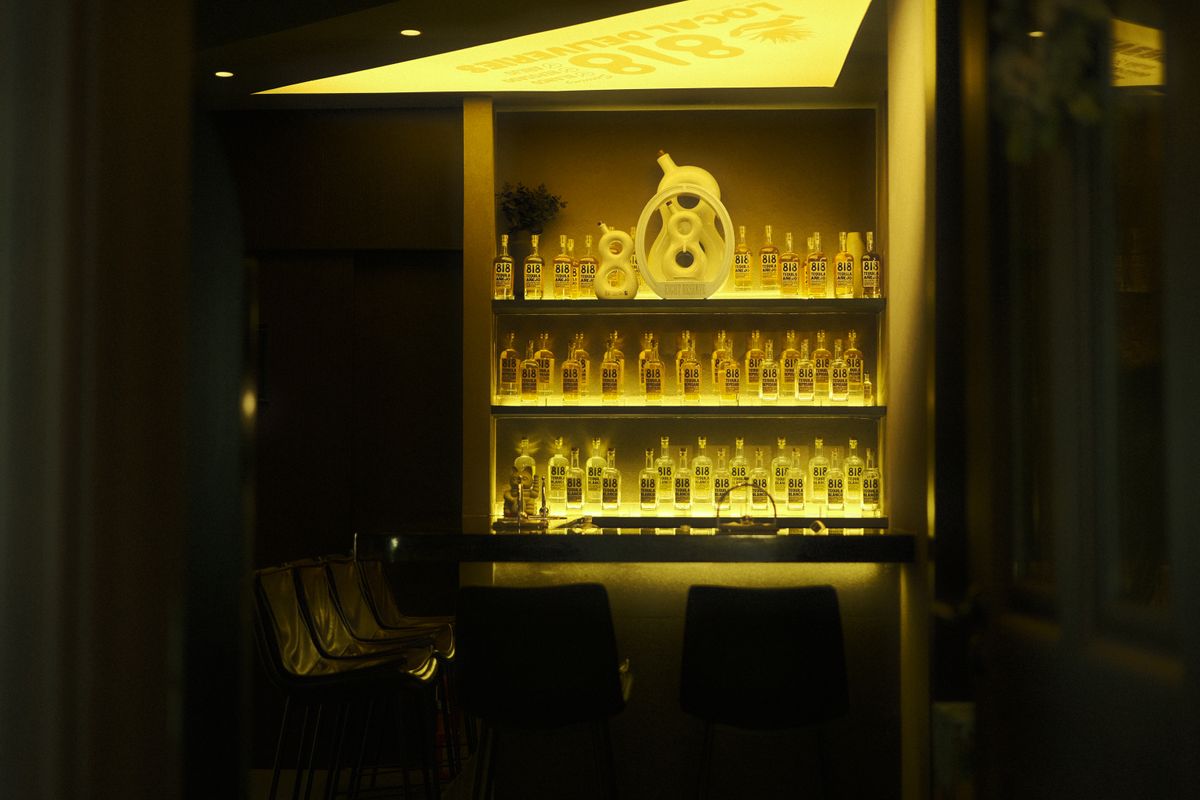
Photo by rao qingwei on Pexels
The Led Bottle Lamp is designed specifically to solve the stability and durability issues found in generic alternatives. Unlike the copper wire strings mentioned by Quntis, which are better suited for decorative home use, the Led Bottle Lamp utilizes a solid-state topper design that fits securely into the neck of almost any standard bottle. This creates a weighted, low-center-of-gravity fixture that stays put even on crowded bar counters. The integration of USB-C recharging ensures compatibility with modern charging hubs, a feature noted as essential for modern bottle lamps in recent social media reviews from Instagram.
When evaluating the Led Bottle Lamp against a competitor like the RGB dimmable units found on AliExpress, the primary differentiator is the light quality and build. While the AliExpress units offer RGB color changing, they often lack the high Color Rendering Index (CRI) needed to make food and drinks look appetizing. The Led Bottle Lamp focuses on high-quality white light temperatures—warm, neutral, and cool—ensuring that the amber hue of a whiskey or the vibrant red of a cocktail is represented accurately. Here's what I'd actually buy: the Led Bottle Lamp for the main dining area and bar tops, while reserving the cheaper RGB units for one-off parties or outdoor events where loss or damage is highly likely. The touch-sensitive interface on the Led Bottle Lamp is calibrated to prevent accidental activation from minor bumps, a common issue with cheaper capacitive sensors. This reliability is critical when you are managing a fleet of lamps across a large venue. Skip this if you already have dedicated pendant lighting over every single table and no plans to rearrange your floor plan; otherwise, the flexibility of a wireless topper is hard to beat for dynamic hospitality spaces.
Selecting the Right Hardware for Your Venue
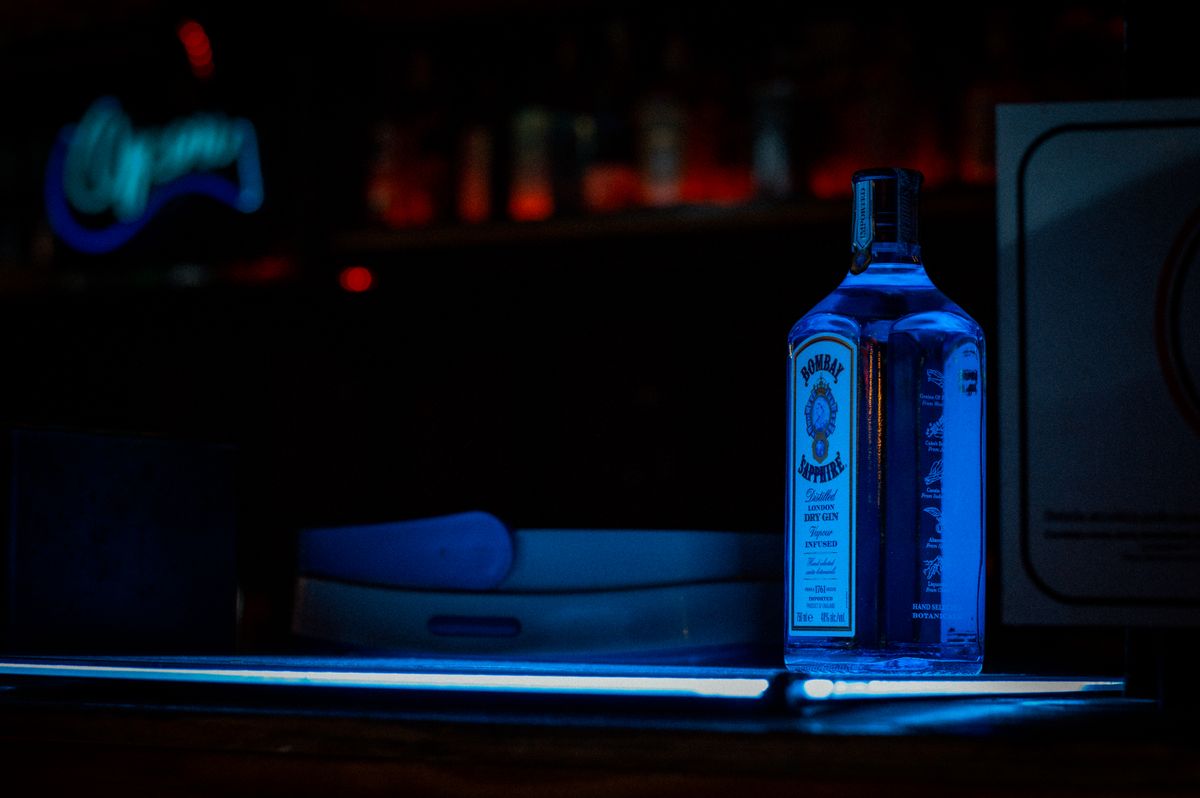
Photo by Gustavo Malacrida on Pexels
Choosing a lamp for a bar isn't just about the aesthetic; it is a logistical decision. You need to consider how the lamp interacts with your existing glassware and how your staff will manage the hardware during closing shifts. A high-quality touch control bottle topper light should feel like a natural extension of the bottle, not a precarious add-on. When you are looking at different models, pay close attention to the base diameter of the topper. If it is too wide, it won't fit specialty gin or craft spirit bottles; if it's too narrow, it will wobble. The Led Bottle Lamp uses a tapered silicone gasket system that solves this by creating a friction fit across a wide range of neck diameters.
Before finalizing a purchase for a commercial space, use this checklist to ensure the hardware meets professional standards:
- Verify the battery capacity: Look for a minimum of 2000mAh to ensure the lamp lasts through a double shift without dimming.
- Check the charging standard: Insist on USB-C to ensure longevity and cable compatibility across your venue.
- Assess the IP rating: If your bar has an outdoor patio, ensure the lamp has at least an IP54 rating to handle light rain or condensation.
- Test the dimming range: A bar lamp must be able to go very low to maintain mood, but bright enough for a guest to read a check.
- Evaluate the finish: Matte finishes tend to hide fingerprints better than glossy metallic ones in high-touch environments.