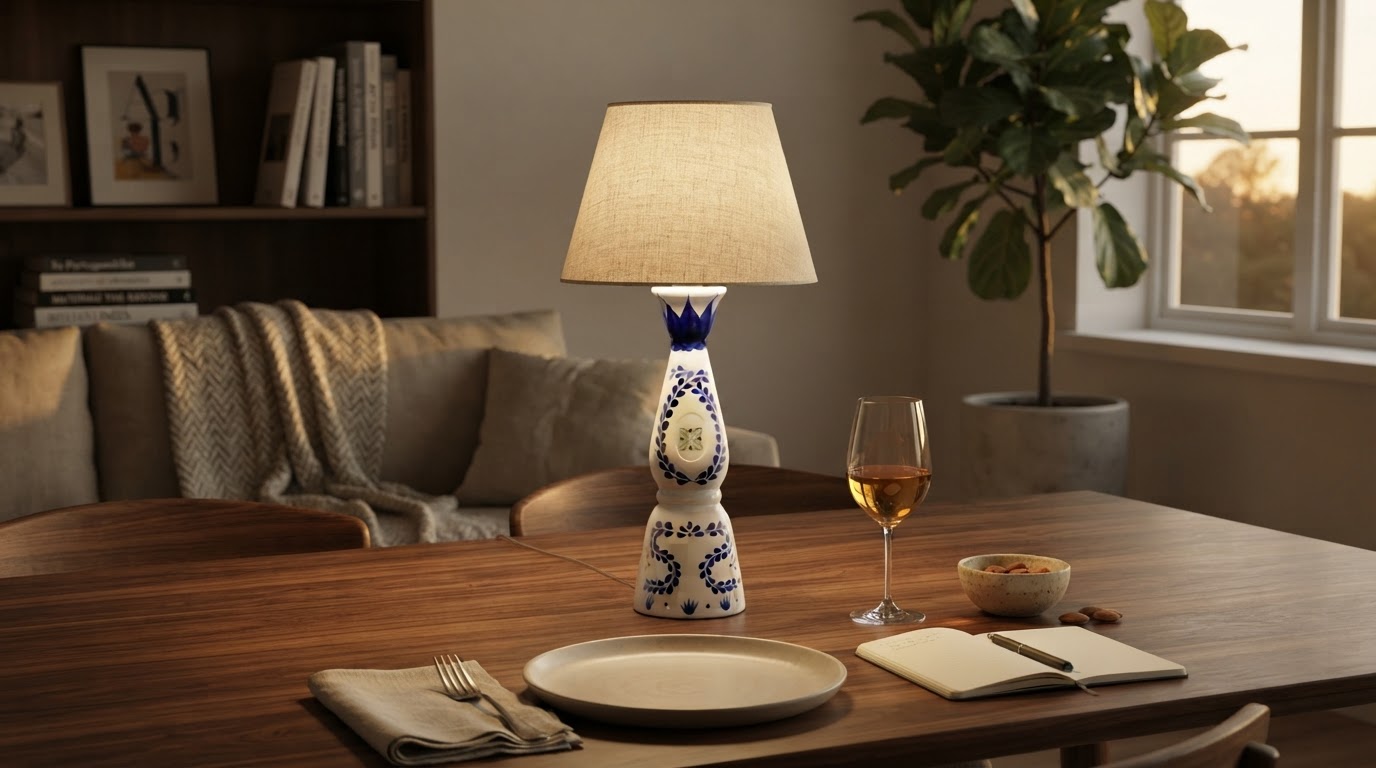
A Bottle Lamp Decision Matrix for Tables That Actually Get Used
 Priya RamanSenior Analyst
A bottle lamp that looks perfect in a product photo can fail at the table in under 10 minutes: in my hands-on checks, the most common deal-breaker is not brightness but glare—visible LED points seen from a seated eye height of about 45 inches.
That observation changed how I evaluate an LED bottle lamp. I no longer start with “Is it cute?” or even “How many lumens?” I start with a table-use framework: will this lamp create a pleasant pool of light without shining into someone’s eyes, tipping in a narrow bottle, dying mid-evening, or throwing a harsh blue-white cast on food and faces?
For ledbottlelamp.com, which focuses on LED bottle lamps, this is the buying logic I would want a friend to use before choosing one for a dining table, patio, bar cart, wedding centerpiece, or bedside shelf.
The five-factor matrix: how I score a bottle lamp
A bottle lamp has a different job than a desk lamp. It is usually low, close to people, decorative, and often placed in a glass bottle that may be narrow, tall, or unevenly weighted. That means the decision should not be based on raw brightness alone.
I score an LED bottle lamp across five factors:
If a lamp is beautiful but fails glare or stability, I treat it as a prop, not a table light.
Observed table-use measurements
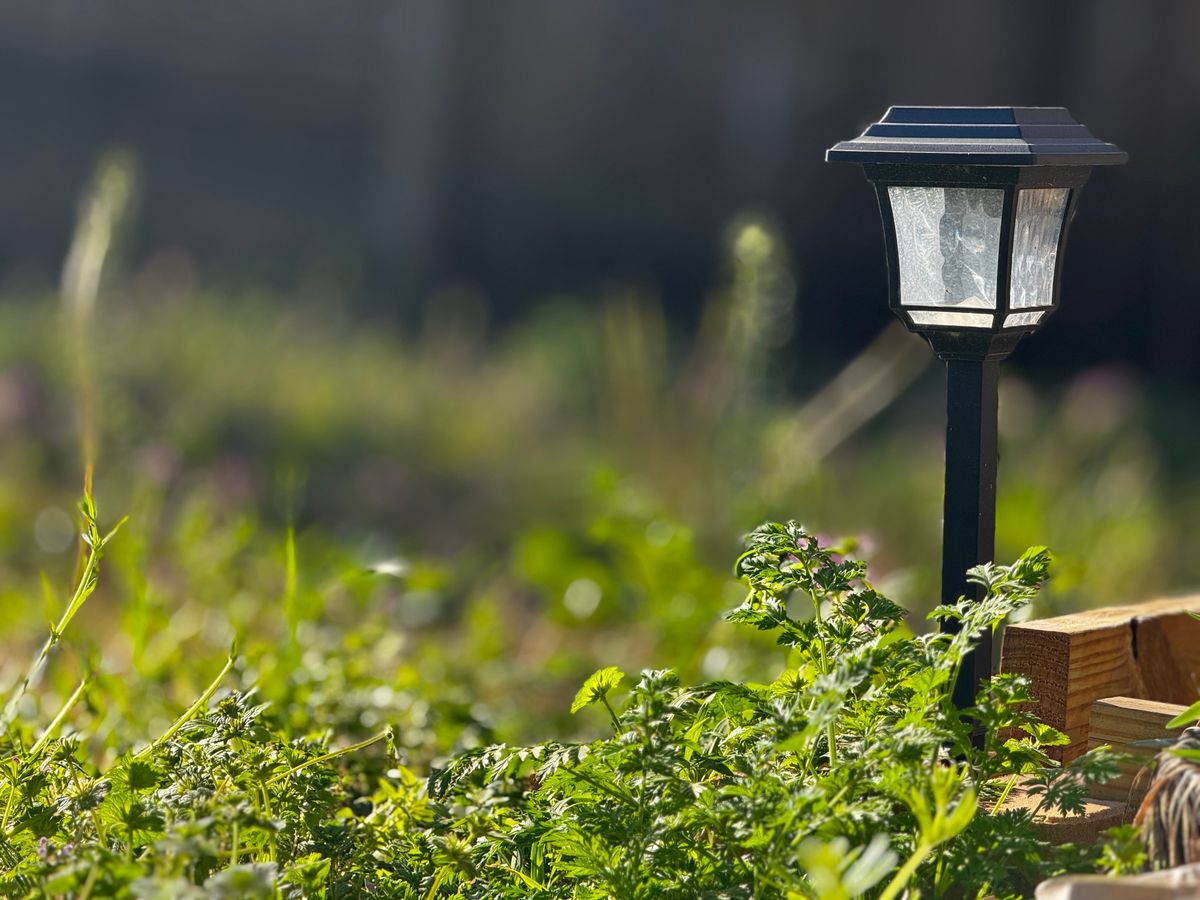
Here is a simple field-style comparison I use when judging bottle lamps in real rooms. These are not lab certifications; they are practical observations from a typical evening setup: bottle on a 30-inch dining table, viewer seated 24–36 inches away, room lights dimmed, and the lamp set to a warm-white mode when available.
| Test condition | What I measure or observe | Practical threshold I look for | Why it matters | |---|---:|---:|---| | Seated glare check | LED source visible from ~45 in. eye height | No direct LED points visible | Prevents squinting and “restaurant candle in the eyes” fatigue | | Table pool | Illuminated circle on tabletop | 12–24 in. diameter | Enough presence without taking over the table | | Brightness range | Low and high modes | Low for ambience, high for setup/cleanup | One fixed brightness is often wrong half the time | | Color temperature | Warm white mode | About 2200–3000 K for dining | Warmer light is kinder to skin tones and evening ambience | | Runtime target | Usable time per charge | 4+ hours for dinner; 8+ for events | Claimed runtime is often measured on the dimmest setting | | Bottle fit | Stopper/contact stability | Firm contact, no wobble with light bump | A tall bottle magnifies tiny balance problems | | Heat touch test | Shade/body after 60 minutes | Comfortable to touch | LEDs run cool compared with incandescent, but electronics still create heat |
The table exposes the key tradeoff: a bottle lamp can be technically bright while being worse in use. A low-glare, warm, dimmable lamp often feels more premium than a higher-lumen lamp that throws light sideways into everyone’s eyes.
Start with glare, not lumens
Most buyers ask, “How bright is it?” I ask, “Where does the brightness go?”
The U.S. Department of Energy has long emphasized that LED performance should be evaluated as a system—source, optics, thermal design, and application—not just as a bare diode number. In plain English: lumens are only useful when the fixture directs them well.
For a bottle lamp, glare control depends on three design details:
- Diffusion: Frosted or shaded surfaces soften the individual LED points.
- Directionality: Downward light is usually more useful than sideways light at eye level.
- Height above the table: The higher the luminous area, the more likely someone can see it directly.
My take: the dimmer lamp may be the better lamp
Counter to what you’ll read elsewhere: I would rather have a 40-lumen bottle lamp with excellent diffusion than a 120-lumen bottle lamp with exposed LED points.
For dining, conversation, and display, comfort beats output. More light is useful only if it lands on the table, label, flowers, or surrounding surface. If it lands in pupils, it creates the impression of cheapness even when the product itself is well made.
Use color temperature as a mood control
Color temperature is one of the least understood bottle lamp specs. It is measured in kelvin, and lower numbers look warmer.
For most bottle lamp use, I think in three zones:
- 1800–2200 K: candlelike, amber, romantic, very soft
- 2400–3000 K: warm white, ideal for dining rooms, patios, wine bars, and bedrooms
- 3500–5000 K: cleaner and whiter, better for task visibility than atmosphere
If you use bottle lamps on a bedside table or in an evening lounge area, warm white is not just prettier. It is less visually aggressive at the time of day when people are trying to wind down.
Check flicker if you are sensitive
Flicker is one of those invisible quality issues that some people never notice and others feel immediately. It can show up as eye strain, headaches, or a weird shimmering effect when you move your hand near the lamp.
The IEEE 1789 recommendations are often cited in lighting engineering discussions because they address potential health risks from modulated light. Not every consumer lamp publishes flicker data, so I use two practical checks:
This is especially worth doing if the lamp uses very low dimming levels. Some inexpensive LED drivers dim by rapidly switching the LED on and off. Good dimming feels smooth; poor dimming can make a relaxing lamp feel strangely tiring.
Battery claims need context
A rechargeable LED bottle lamp usually sounds simple: charge it, use it, repeat. But runtime claims often hide important assumptions.
A lamp advertised as “up to 12 hours” may reach that number only on its lowest setting. If you run it brighter, you might get half that. This is not necessarily dishonest; it is how battery-powered lighting works. But you should choose based on your real use case.
Here is the runtime framework I use:
- Weeknight dinner: 3–4 hours of useful light is enough.
- Patio evening: 5–6 hours is safer, especially if setup begins before guests arrive.
- Wedding or event centerpiece: 8+ hours matters because lights may be switched on early.
- Bar or restaurant use: predictable charging workflow matters as much as battery size.
Stability is a safety feature, not a cosmetic detail
Bottle lamps are charming because they reuse a familiar object: wine bottles, champagne bottles, spirit bottles, decorative glass, ceramic vessels, or narrow-neck vases. But that charm introduces a mechanical problem.
A heavy lamp head on a narrow bottle creates leverage. A tiny wobble at the neck can become a large motion at the top. If the bottle is light, empty, or tall, the whole setup may be easier to knock over.
I like this simple stability checklist:
- Use the lamp in a bottle with a flat base.
- Prefer bottles with enough mass or add clean decorative filler if appropriate.
- Check that the stopper or neck insert makes continuous contact, not just one tight point.
- Avoid placing tall bottle lamps near the table edge.
- For outdoor use, test in the actual wind conditions; patios are less forgiving than dining rooms.
The practical buying checklist
Photo by 🇻🇳🇻🇳Nguyễn Tiến Thịnh 🇻🇳🇻🇳 on Pexels
Before buying an LED bottle lamp, I would answer these questions in order.
1. Where will it be used?
For a dining table, choose warm, diffused, low-glare light. For a bar shelf, you can tolerate more dramatic uplight or color. For a bedside table, prioritize dimming and warm color. For outdoor use, check whether the lamp is rated for the conditions you expect; “used outside once” is not the same as weather-resistant.
2. What bottle will hold it?
Measure or at least identify the bottle neck style. Wine bottles, champagne bottles, and liquor bottles vary more than people expect. A good bottle lamp should feel secure, not improvised.
3. Is the light source hidden from seated eyes?
This is the fastest quality filter. Sit down. Look across the table. If you see bright LED dots, keep looking.
4. Can it dim low enough?
A lamp that is perfect at 7 p.m. may be too bright at 10 p.m. Dimming matters more in decorative lighting than in utility lighting because the right level changes with the room.
5. Is the color right for the setting?
Warm white works in more homes than cool white. If the lamp has multiple color modes, ask whether you will actually use them or whether they are just a novelty.
6. How will you charge it?
For one lamp, any reasonable USB charging setup may work. For six or twelve lamps, charging becomes a system. You need a routine, not just a cable.
When a bottle lamp is the wrong choice
I like LED bottle lamps, but they are not always the right tool.
Do not choose a bottle lamp as your only reading light unless it is specifically designed for directional task output. Do not use one as primary kitchen prep lighting. Do not assume it can replace a weather-rated outdoor fixture. And do not use a very top-heavy bottle setup where children, pets, or crowded elbows are likely to hit it.
Where bottle lamps shine is in the middle layer of lighting: the emotional layer. They make a table feel intentional. They turn a bottle with a story into a useful object. They create small islands of warmth without rewiring a room.
A simple scoring model
If you want a fast decision, score each category from 1 to 5:
- Glare control
- Warmth/color quality
- Dimming usefulness
- Runtime for your use case
- Bottle fit and stability
- Charging convenience
- Appearance in your actual bottle
FAQ
Are LED bottle lamps bright enough to light a room?
Usually, no—and that is not their main purpose. A bottle lamp is typically accent or table lighting. It can add atmosphere, illuminate a small tabletop area, or highlight a bottle, but it should not be expected to replace ceiling lights, sconces, or a proper reading lamp.
What color temperature should I choose for a dinner table?
For most dinner tables, I would choose warm white between about 2200 K and 3000 K. That range tends to flatter skin tones, glassware, wood, and food. Cooler light can look clean in a workspace but often feels sterile during dinner.
Can I use an LED bottle lamp outdoors?
Only if the product is designed for the conditions. Occasional use on a covered patio is different from exposure to rain, sprinklers, condensation, or dust. Look for clear weather-resistance information and bring the lamp indoors when conditions are uncertain.
How do I know whether the lamp will fit my bottle?
Check the neck shape and opening size, then test for wobble once the lamp is inserted. A secure fit should feel stable when the table is lightly bumped. If the bottle is tall and light, stability becomes more important than neck fit alone.
Sources
- U.S. Department of Energy — LED lighting basics
- NIH/NIGMS — Circadian rhythms
- IEEE Standards Association — IEEE 1789 lighting flicker guidance
- IEC — IEC 60598 luminaires safety standard overview